Hours of sitting at a desk, on a couch, or at a kitchen table can quietly take a toll on your body. Poor posture contributes to back pain, neck stiffness, fatigue, and even reduced lung capacity. The good news is that small, consistent adjustments can make a significant difference in how you feel throughout the day.
Set Up Your Space
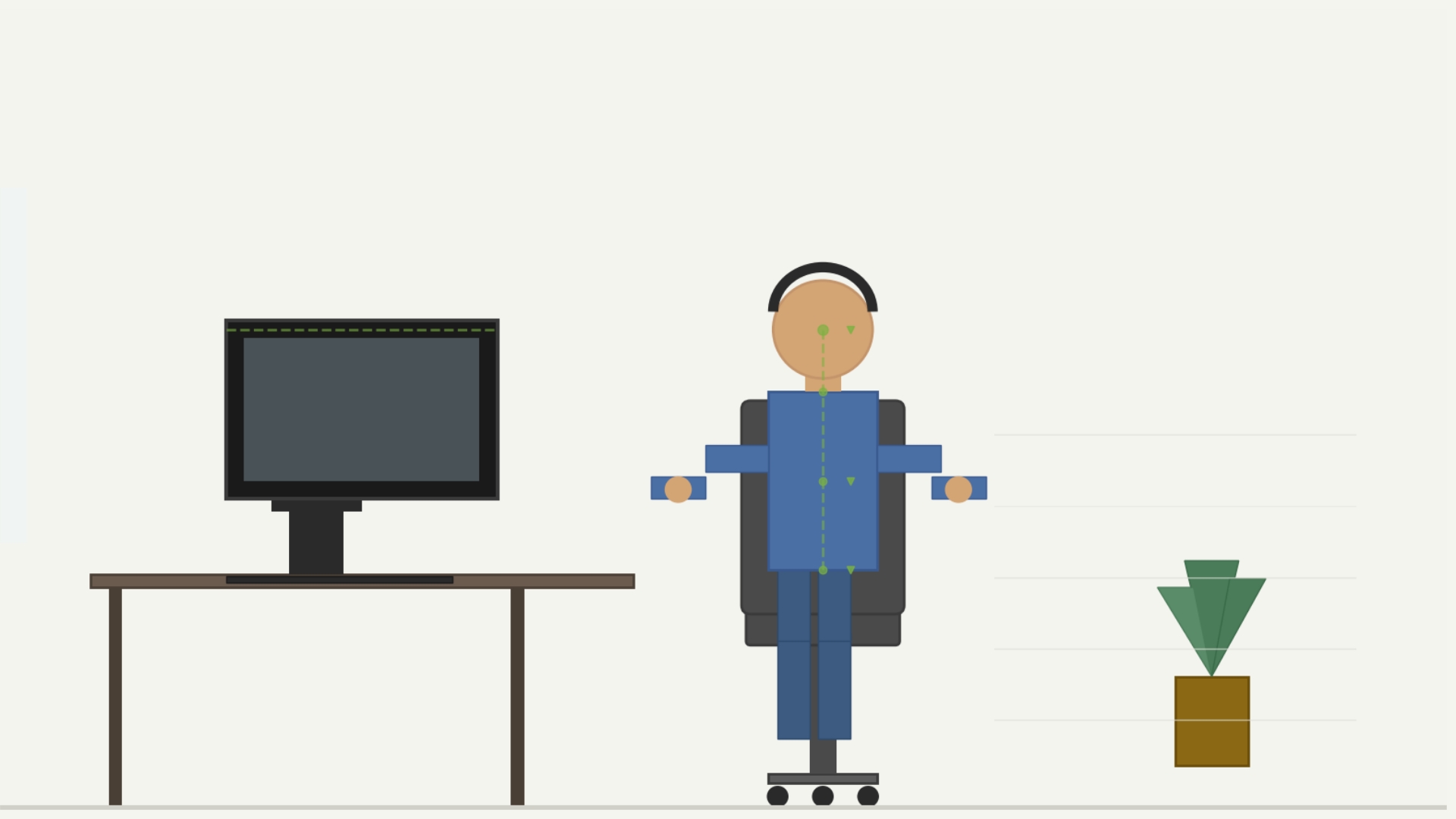
Begin by evaluating your workstation. Position your computer screen at eye level so you are not tilting your head up or down. Your chair should support the natural curve of your spine; if it does not, place a small cushion or rolled towel behind your lower back. Keep both feet flat on the floor, with knees and hips at roughly the same height. Avoid crossing your legs, which can restrict circulation and strain your lower back over time.
Mind Your Alignment
Think of your body as a stack of blocks. Your ears should align over your shoulders, and your shoulders over your hips. When typing, keep elbows close to your sides and bent at approximately 90 degrees. Wrists should remain straight, not bent upward or downward. This neutral position reduces strain on joints and muscles.
Move Regularly
Static sitting is the enemy of good posture. Set a timer to stand, stretch, or walk for two to three minutes every half hour. Simple movements such as shoulder rolls, gentle neck stretches, or standing backbends help reset muscle tension and remind your body of proper alignment. Even brief movement increases blood flow and reduces the stiffness that encourages slouching.
Build Supporting Habits
Core strength plays a vital role in maintaining posture without conscious effort. Incorporate basic exercises such as planks or bridges into your routine a few times per week. Strong abdominal and back muscles provide natural support for your spine. Additionally, stay mindful of posture during leisure activities. When watching television or reading, choose seating that encourages an upright position rather than sinking into soft cushions that promote slumping.
Listen to Your Body
Discomfort is a signal worth heeding. If you notice persistent aches, numbness, or tension headaches, assess your setup and habits. Small changes—adjusting monitor height, changing chairs, or adding movement breaks—often resolve these issues before they become chronic problems.
Improving posture does not require expensive equipment or dramatic lifestyle overhauls. By optimizing your environment, maintaining neutral alignment, moving frequently, and building physical resilience, you protect your long-term health and daily comfort. These simple steps, practiced consistently, help transform sitting from a source of strain into a sustainable, pain-free activity.
